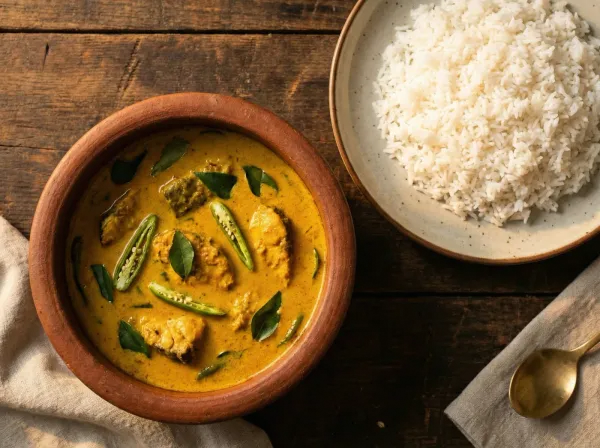
Sri Lankan Fish Curry with Coconut Milk (Malu Kirata)
Firm fish simmered in a fragrant coconut milk gravy with roasted curry powder, goraka, curry leaves, and fenugreek — the creamy coastal curry Sri Lanka is built on.
Pakistani · Bangladeshi · Sri Lankan · Indian
Recipes that explain the why. Techniques rooted in how it's actually cooked. For the diaspora, and for anyone curious enough to look beyond the usual.
Firm fish simmered in a fragrant coconut milk gravy with roasted curry powder, goraka, curry leaves, and fenugreek — the creamy coastal curry Sri Lanka is built on.
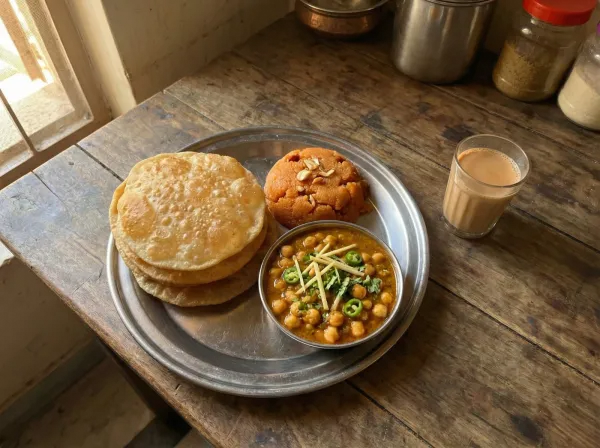
The complete Pakistani breakfast plate — crisp deep-fried puri, golden semolina halwa, and spiced chickpea curry — the meal that every household in Lahore and Karachi wakes up for.
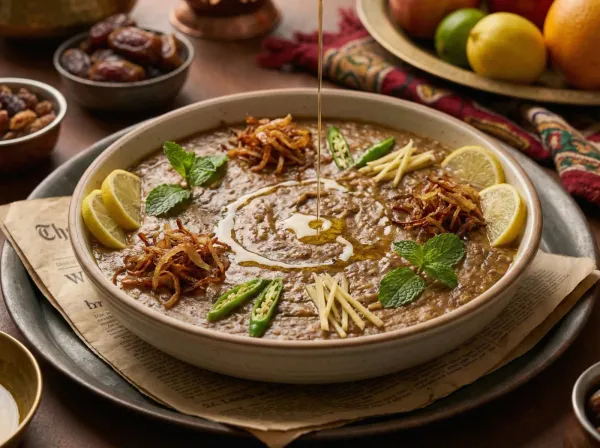
Wheat, barley, lentils, and mutton pounded into a thick, spiced porridge over 8 hours — Hyderabad's Ramadan staple and one of the most labour-intensive dishes in South Asian cooking.
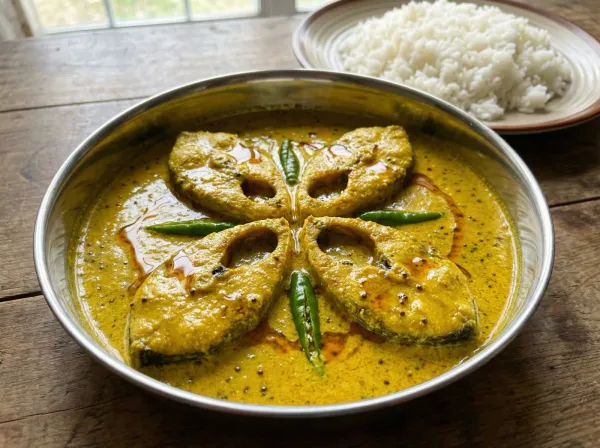
Hilsa fish steaks cooked in a pungent paste of ground black and yellow mustard seeds, green chillies, and mustard oil — the dish that defines Bangladeshi cuisine.
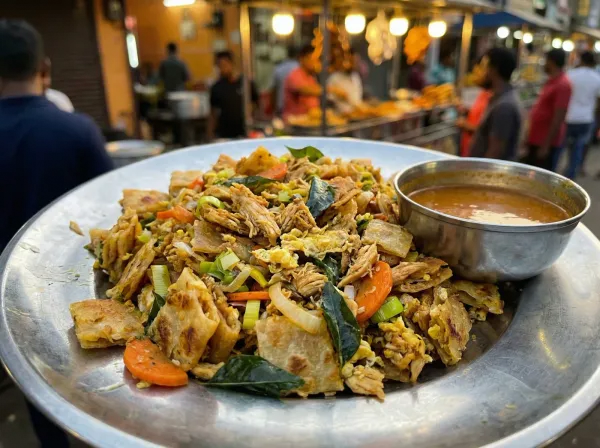
Torn godamba roti chopped on a hot griddle with egg, vegetables, and spices — Sri Lanka's noisiest, most addictive street food, made properly at home.
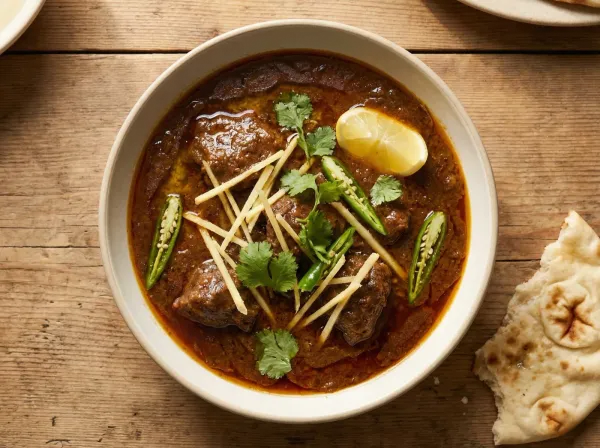
Bone-in beef shank simmered for hours in a flour-thickened spice broth until the marrow dissolves into the gravy — the dish that built Lahore's food reputation.
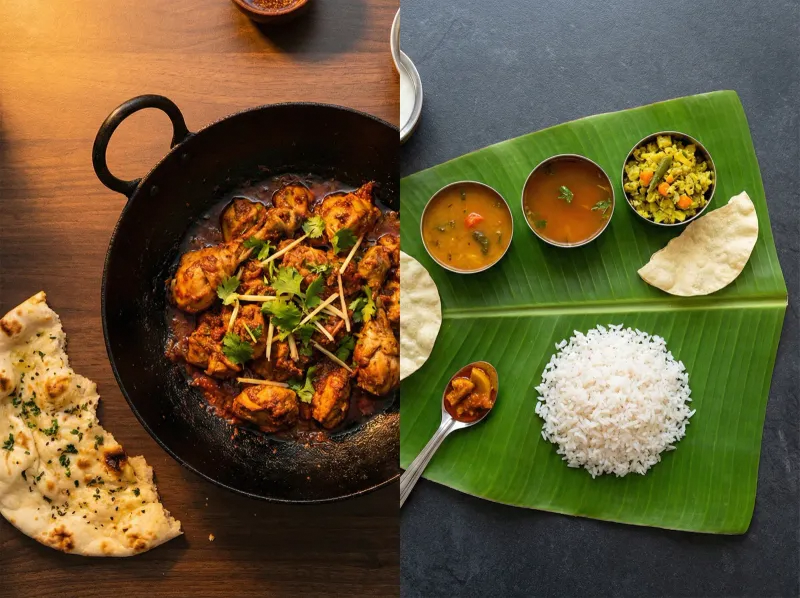
They share history, geography, and many ingredients — but Pakistani and Indian cuisines are distinct traditions with different philosophies about meat, spice, bread, and the role of the meal itself.
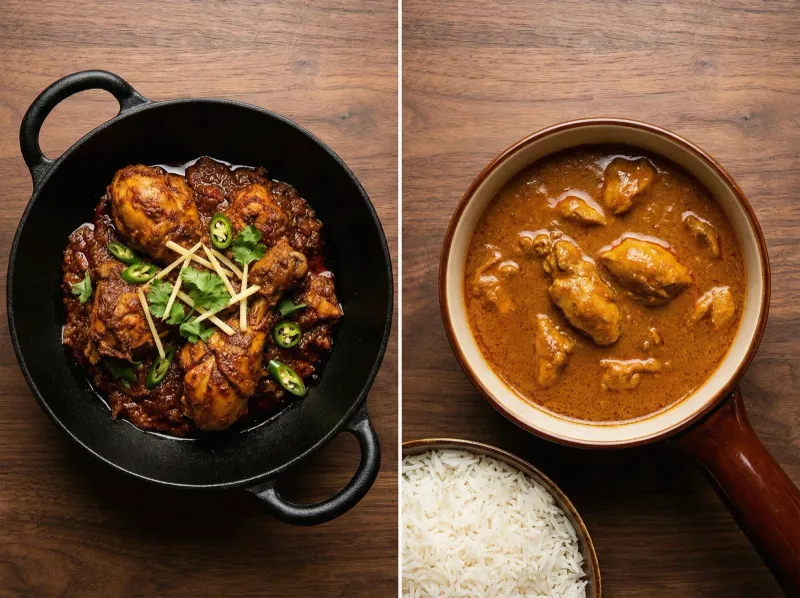
A karahi is not a curry — the pan, heat, and spice approach are fundamentally different. Here's what separates karahi from curry (and from kadai), and why it matters for how you cook.
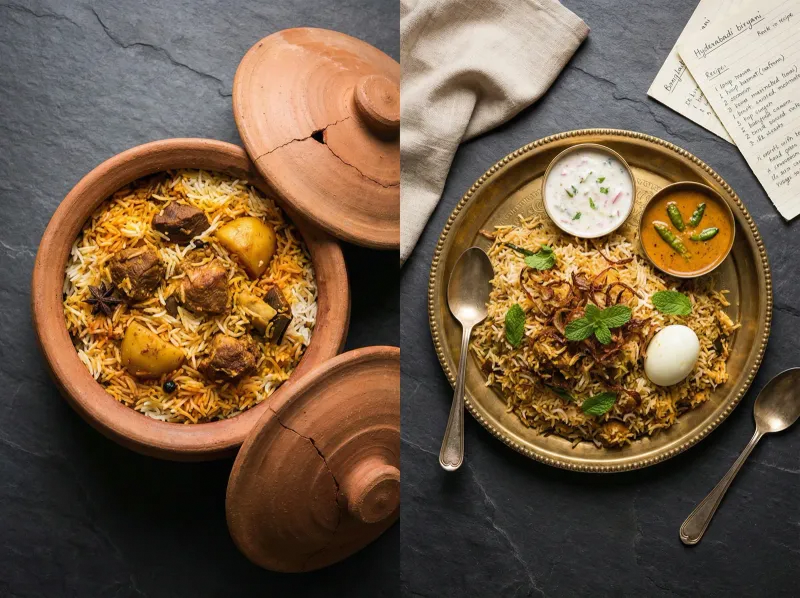
What separates kacchi biryani from pakki biryani? One cooks raw meat under sealed dum; the other layers pre-cooked meat. Here's how the techniques differ — and which to try first.
Too many South Asian recipes online are written for an audience that doesn't eat them. We write for people who grew up eating this food, and for people who want to understand it properly — not a watered-down version designed to reassure nervous cooks.